
Preparing Pets for Spring | Late Winter Pet Care | Burlington, Oakville & Milton
Late winter routines help pets transition smoothly into spring. Learn how families in Burlington, Oakville & Milton can support pets before the season changes.
Happy Paws
2/23/20263 min read
As winter begins to loosen its grip across Burlington, Oakville, and Milton, many pet parents start looking ahead to warmer days. Longer walks, open windows, and outdoor adventures are just around the corner — but late winter is still a crucial time for pets.
The routines you maintain in February can make a big difference in how smoothly your dog or cat transitions into spring. Consistency now helps prevent stress, behavior changes, and health issues as the seasons shift.
Why Late Winter Is a Key Transition Period
Late winter often feels like a waiting game. The weather fluctuates, daylight slowly increases, and routines can become inconsistent. For pets, these subtle changes are noticeable — even if spring hasn’t officially arrived yet.
During this time, pets may experience:
Changes in energy levels
Increased restlessness as daylight increases
Sensitivity to routine disruptions
Seasonal shedding beginning earlier than expected
Maintaining structure through late winter helps pets feel secure and prepared for the busier spring months ahead.
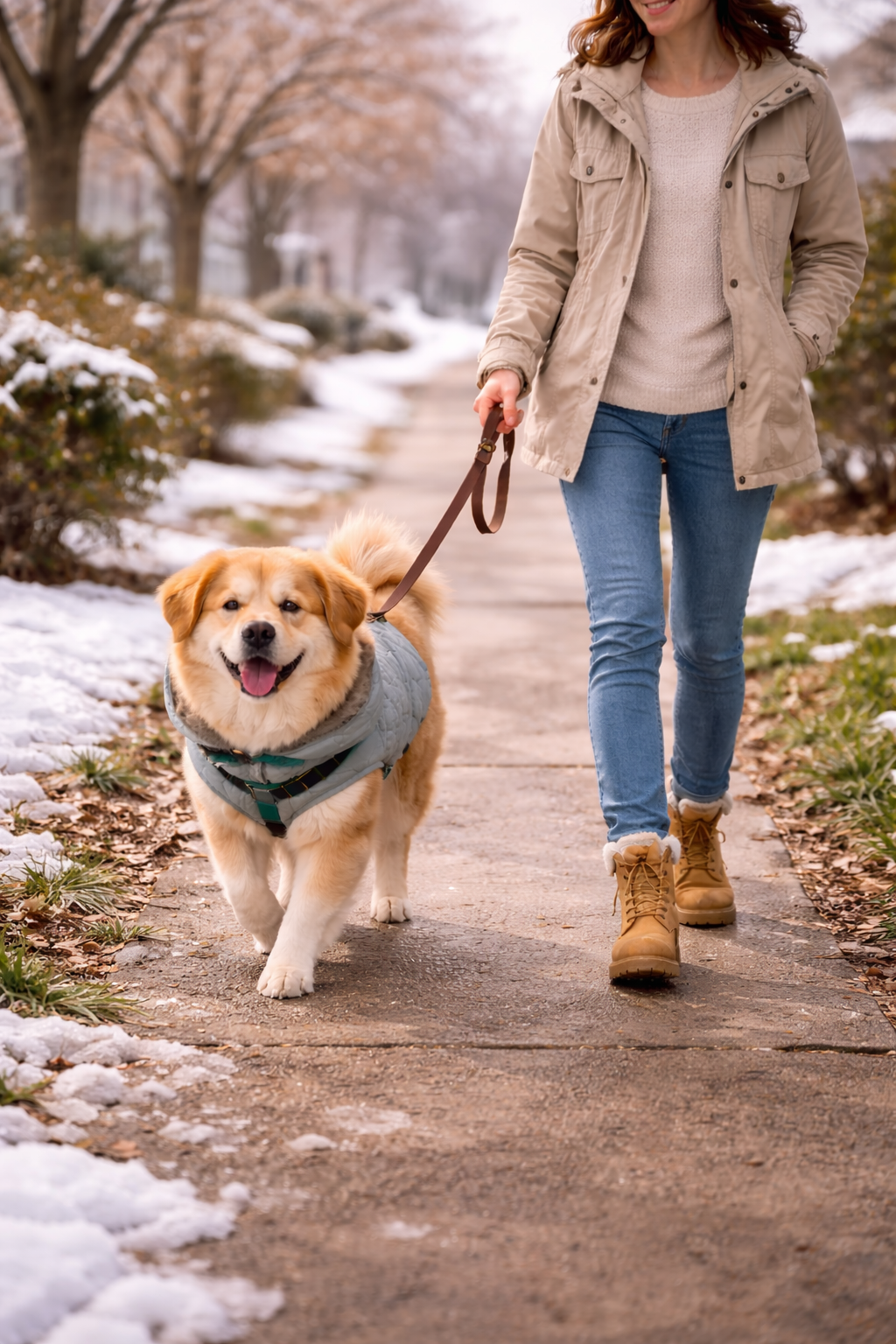
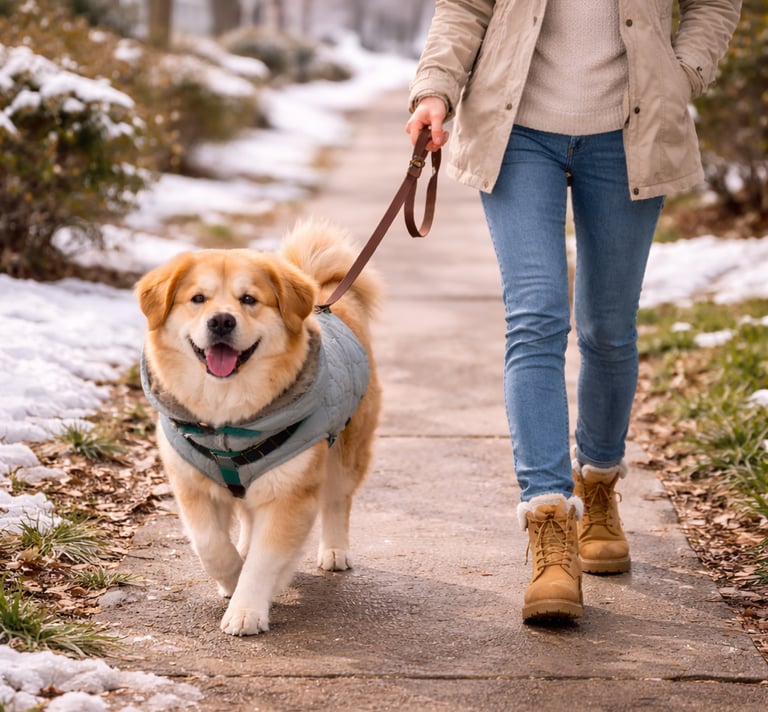
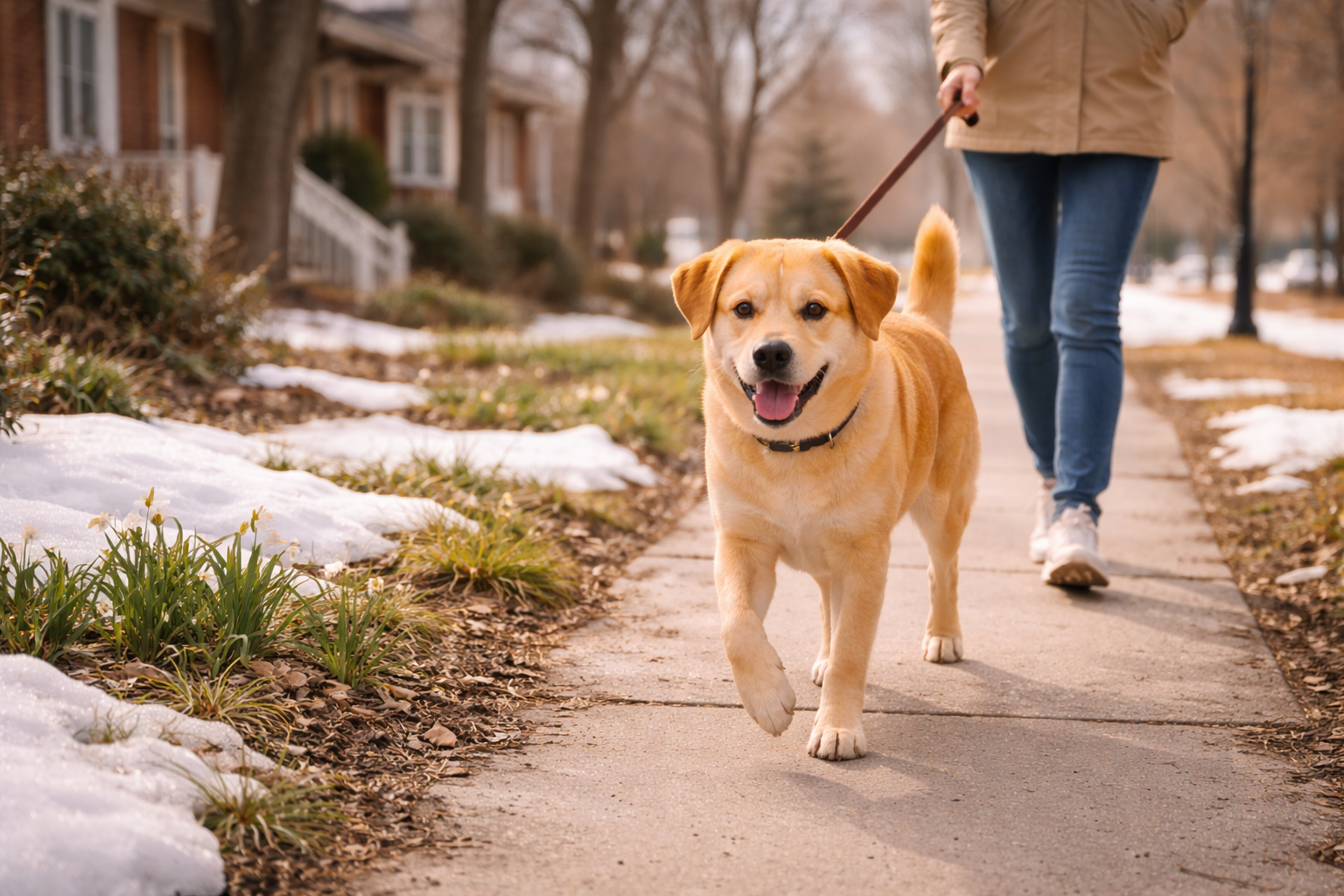
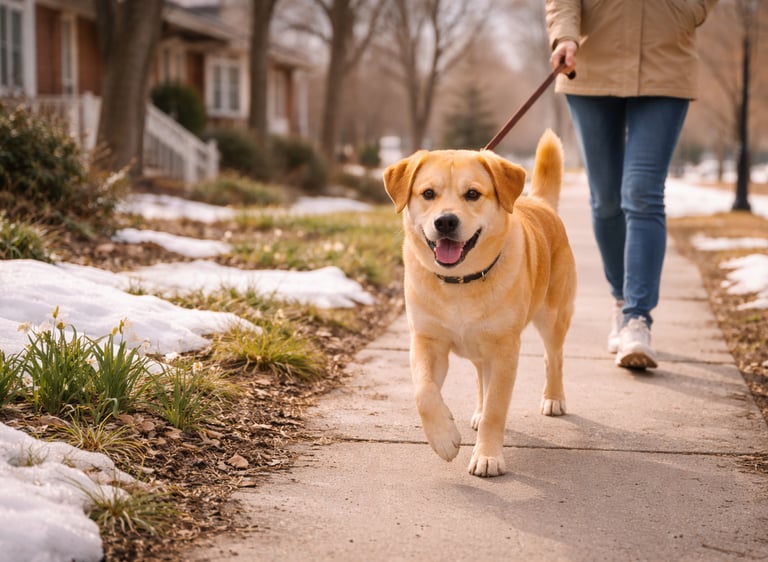
Even as temperatures fluctuate in Burlington and Milton, regular walks remain essential. While it may be tempting to skip outings during unpredictable weather, consistent movement supports both physical health and mental balance.
Helpful late-winter walking tips:
Stick to familiar routes when sidewalks are icy
Adjust walk length based on weather, not motivation
Watch for early signs of spring allergies or paw irritation
Many families rely on professional dog walking support during this time to keep routines steady despite busy schedules or changing conditions.
Keeping Walks and Activity Consistent
For indoor cats in Oakville and surrounding areas, late winter can feel especially stagnant. Even with more daylight, stimulation may still be limited.
Maintaining winter routines helps cats:
Avoid stress-related behaviors
Adjust gradually to seasonal changes
Stay mentally engaged until spring truly arrives
Regular cat sitting visits that include play, enrichment, and observation provide valuable consistency — especially as pets begin responding to longer days.
Indoor Routines Still Matter for Cats
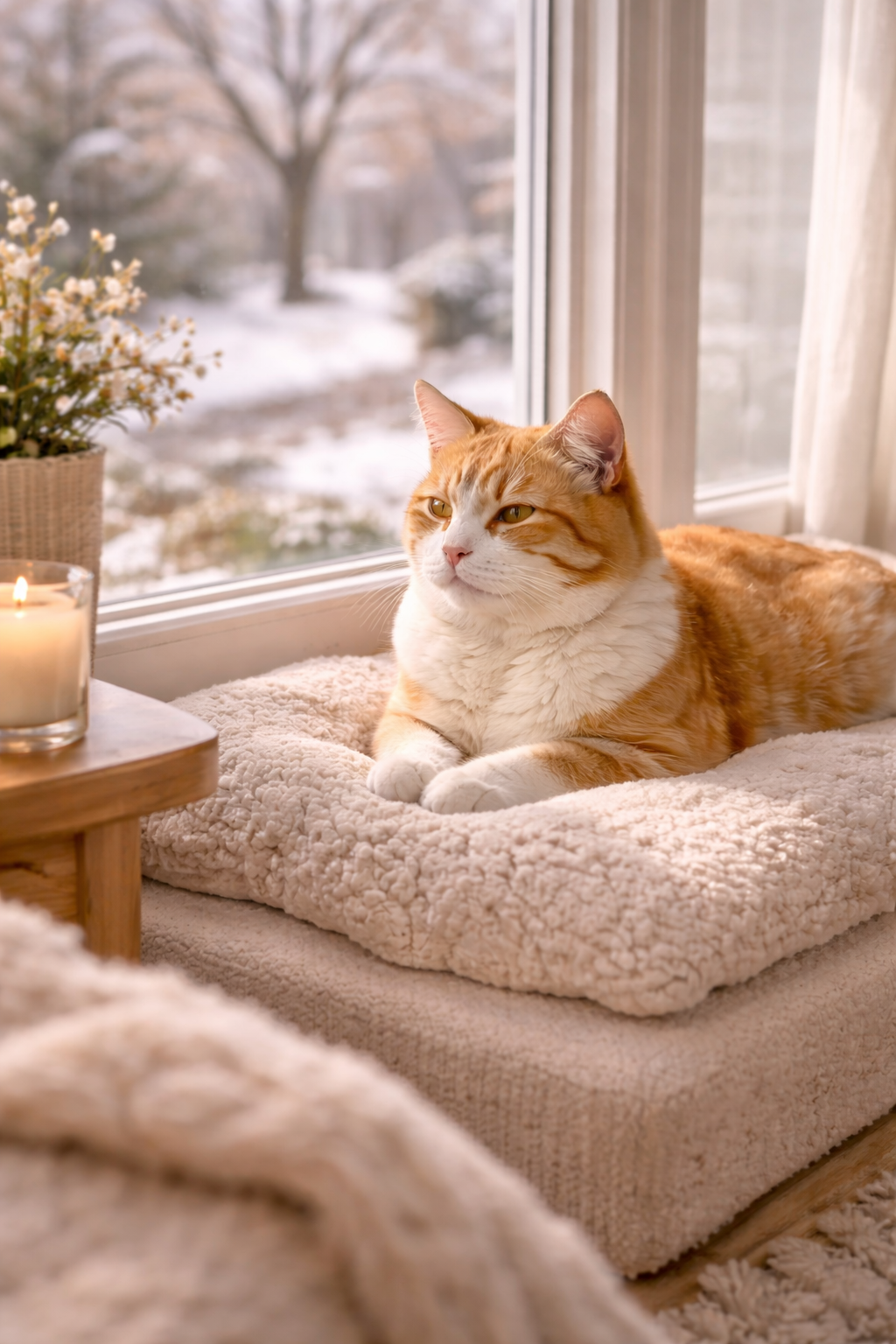
Spring often brings sudden changes — longer walks, new smells, more visitors, and schedule shifts. Pets who experience abrupt changes may show signs of anxiety, overexcitement, or regression in training.
By keeping routines consistent now, you help:
Ease transitions into spring schedules
Reduce overstimulation when outdoor activity increases
Support calm behavior during seasonal shifts
This is where professional pet sitting services can be especially helpful, providing dependable care while families adjust to spring commitments.
Why Routine Helps Prevent Springtime Behavior Issues
Late winter care isn’t about doing more — it’s about maintaining what already works. Reliable routines, thoughtful activity, and consistent companionship create a strong foundation for the months ahead.
At Happy Paws Burlington, we support pets across Burlington, Oakville, and Milton through every season. Whether it’s dog walking, in-home pet sitting, or daily visits, our focus is always on calm, dependable care that helps pets thrive year-round.
If you’d like to learn more about our team and approach, visit our About Happy Paws Burlington page.
How Late Winter Care Sets the Tone for Spring
Preparing pets for spring doesn’t start in March — it starts now. By maintaining routines through late winter, you’re helping your pets feel confident, comfortable, and ready for the season ahead.
With thoughtful care and trusted support, pets across Burlington, Oakville, and Milton can transition into spring feeling balanced and secure.
💛 Book your pet care today with Happy Paws!
A Calm Transition Into Spring Starts Now
Get in touch
© 2026. All rights reserved.
Burlington, Oakville, and Milton, Ontario